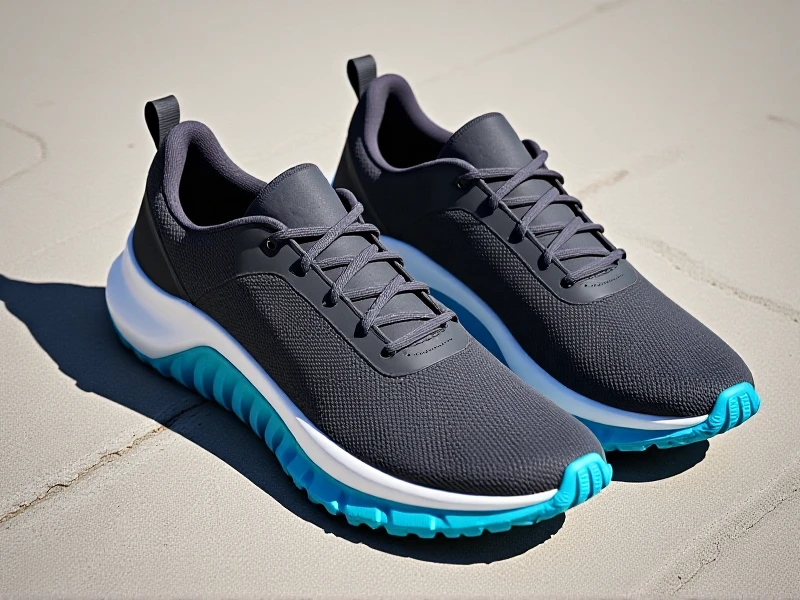
Running Shoes Guide: Fit, Function, and Finding Your Perfect Pair
Here is a SEO-optimized article on "Running Shoes":
Hitting the pavement or the trail demands footwear that can keep up. Running shoes are far more than just athletic sneakers; they're engineered machines designed to support your unique stride, protect your joints, and enhance your performance. Choosing the right pair is fundamental for comfort, injury prevention, and unlocking your running potential. Whether you're setting a new personal record or jogging around the block, understanding what makes a great running shoe is your first step.
The foundation of any high-quality running shoe lies in its technology. Key features cater specifically to the biomechanics of running:
- Cushioning: Absorbs impact shock upon footstrike. Levels range from maximal (plush comfort for longer distances) to minimal (barefoot-like ground feel). Materials like EVA foam or newer compounds like TPU (often branded as Nike React, Adidas Boost, Asics FlyteFoam, etc.) provide responsive energy return.
- Support & Stability: Controls motion, especially pronation (the inward roll of the foot). Shoes range from neutral (for efficient runners with minimal pronation) to stability (moderate pronation control) and motion control (high support for severe overpronation). Medial posts, denser foam, or structured heel counters are common stability features.
- Midsole: The core of cushioning and support technology sits between the upper and the outsole. Its design dictates the shoe's ride (e.g., bouncy, firm, rockered for a smooth heel-to-toe transition). Plates (nylon or carbon fiber) embedded in race shoes increase propulsion.
- Outsole: Durable rubber compounds on the bottom provide traction. The lug pattern varies: smoother for road running shoes, deeper and more aggressive for trail running shoes. Flex grooves allow natural foot movement.
- Upper: Lightweight, breathable mesh secures the foot. Designs offer different fits around the midfoot and heel. Seamless constructions minimize friction points and blisters.
- Drop (Heel-to-Toe Offset): The difference in height between the heel and forefoot (measured in millimeters). Lower drops (0-6mm) promote a more midfoot/forefoot strike, while higher drops (8-12mm) are common and often suit heel strikers. Finding your preference influences comfort and stride efficiency.
Finding Your Best Fit
To select your ideal running shoes:
- Know Your Gait: Professional gait analysis at a specialty run store is invaluable. It identifies arch height, pronation level, and your running style, guiding you towards neutral, stability, or motion control styles.
- Define Your Run: Road shoes differ significantly from trail running shoes needed for uneven terrain and obstacles. Match the shoe to your primary surface. Consider racing flats for speed events or max-cushion options for long distances.
- Focus on Feel: The best running shoe feels securely snug (not tight) in the heel and midfoot, with ample toe room (about one thumb's width). Walk and jog around the store. Remember, fit trumps brand loyalty. Comfort is king.
- Consider Your Mileage: Regular runners need durable shoes. High-cushion models often last longer than ultra-light racers designed for peak performance over shorter distances.
- Replace Regularly: Most running shoes lose cushioning and support between 300-500 miles. Worn-out shoes increase injury risk. Track your mileage and replace proactively.
Investing in the right pair of running shoes tailored to your feet, stride, and goals is crucial. Forget flashy marketing; prioritize the fit and function that supports your run. Properly fitted running shoes transform every step into a more comfortable, efficient, and enjoyable experience. Take the time to find your perfect partners on the road or trail – your feet and legs will thank you. Lace up the right ones and feel the difference.