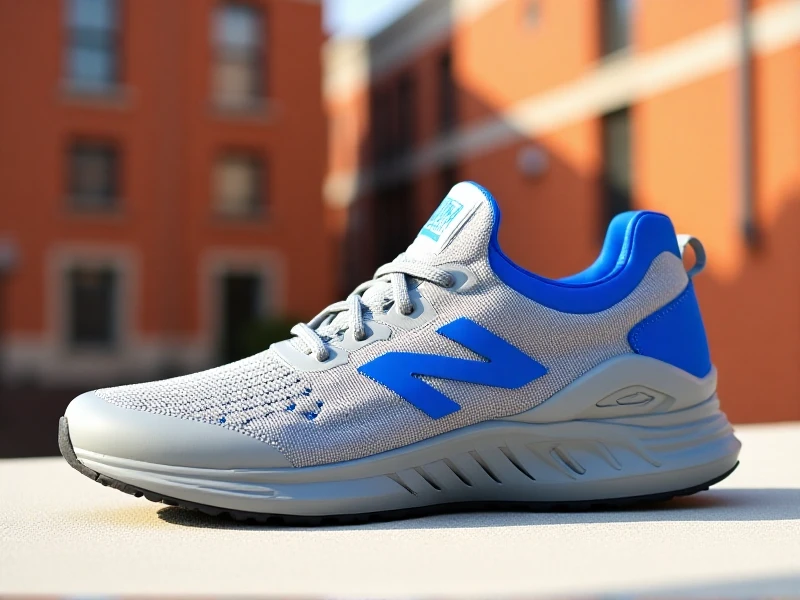
The Ultimate Guide to Finding Your Perfect Running Shoes
Running transforms lives – it boosts fitness, clears minds, and builds resilience. But without the right shoes, your progress hits a wall. Quality running shoes aren't just accessories; they're engineered solutions that prevent injuries, enhance performance, and convert rough pavement into cloud-like terrain.
Why Running Shoes Matter
Every stride sends shockwaves through your joints. Premium running shoes absorb 3x more impact than casual sneakers thanks to midsoles with advanced foam (like Nike React or Adidas Boost). Proper cushioning protects knees and shins during 5K training or marathon prep. Lightweight mesh uppers, seen in models from Brooks Ghost to Hoka Clifton, also prevent blisters by letting feet breathe.
Finding Your Fit
Your running shoes must match your body mechanics:
- Arch Type: Flat feet? Seek stability features (e.g., ASICS Gel-Kayano). High arches? Prioritize cushioning (New Balance Fresh Foam).
- Terrain: Road runners need flexible soles for asphalt. Trail enthusiasts require aggressive treads (Salomon Speedcross).
- Pronation: Neutral runners suit versatile shoes like Saucony Ride; overpronators benefit from medial posts in Altra Paradigm models.
Game-Changing Tech
Modern innovations elevate every run:
- Carbon Plates (e.g., Nike Alphafly): Propel forward motion for race-day speed.
- Sustainable Materials: Brands like Allbirds use eucalyptus knits for eco-conscious durability.
- Custom Insoles: Brands like Under Armour offer scan-based footwear for personalized support.
Maintenance Tips
Replace running shoes every 300-500 miles for optimal safety. Rotate between two pairs to prolong midsole life. After rainy runs, stuff shoes with newspaper to prevent odor and shape loss.
Whether you’re a sprint specialist or a daily jogger, precise shoe selection fuels your journey. Lace up wisely – your next personal record starts from the ground up.