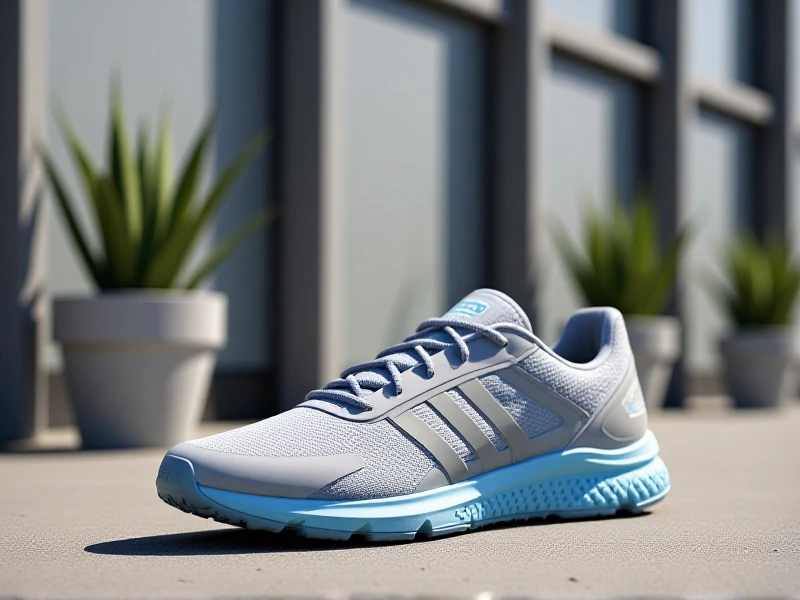
The Perfect Pair: How to Choose Your Next Running Shoes
Here is a 400-word SEO article focusing on "Running Shoes", written naturally for your website:
Title:
Running is one of the world's most accessible sports, and your running shoes play the most critical role in keeping you comfortable, injury-free, and efficient mile after mile. With countless options flooding the market, finding the best running shoes for you can feel overwhelming. Fear not – understanding a few key factors takes the guesswork out.
First things first: forget the hype or the latest colorway. Your foot shape, running gait, preferred distance, and the type of terrain you frequent should dictate your choice. The wrong shoes can lead to discomfort, blisters, shin splints, or even more serious overuse injuries. Trust me, investing time in finding the right pair is worth it.
Broadly, running shoes fall into categories designed for specific needs:
- Cushioned/Neutral Shoes: Ideal for runners with an efficient gait needing minimal stability correction. These models prioritize soft landings and rebound, making them great for longer distances, road running, and runners with high arches who need maximum shock absorption. Brands like Asics (Gel-Nimbus), Brooks (Glycerin), and Hoka One One (Bondi/Clifton series) excel here.
- Stability Shoes: Designed for mild to moderate overpronation (where the foot rolls inward excessively). They incorporate supportive features like medial posts, firmer foam on the inside, or guidance rails. Look at models like the Brooks Adrenaline GTS, Saucony Guide, or New Balance 860v13 for this essential support.
- Motion Control Shoes: For severe overpronators. These are generally the firmest, most structured options, offering maximum arch support and heel stability (e.g., Brooks Beast/Ariel, Asics Gel-Fortnite). Not everyone needs this level of control.
- Lightweight/Speed Shoes: Prioritize low weight and responsiveness for fast training days, tempo runs, or races ("racers"). Often have less cushioning but provide an energetic toe-off. Nike Pegasus Turbo, Saucony Kinvara, and Adidas Adios series are popular choices.
Beyond Type: Fit is King!
Regardless of type, the perfect running shoes must fit impeccably. Shop later in the day when feet are naturally a bit swollen. Aim for about a thumbnail's width of space beyond your longest toe. Ensure a snug (not tight) heel hold to prevent slippage. The widest part of your foot should align comfortably with the shoe's widest point without pinching. Don't ignore the width! Most brands offer standard and wide sizes.
Trying shoes on for running matters. Specialized running retailers often provide gait analysis and treadmills so you can test movement dynamics. Trust this feedback!
Finding your optimal running shoes is a personal journey. Understanding these fundamentals – cushioning level, stability needs, terrain, and crucially, perfect fit – empowers you to make a confident choice. Ditch the old, worn-out trainers and give your feet the responsive, supportive environment they deserve. Your runs will thank you.
Got a favorite pair of running shoes that changed the game for you? Share your experiences below!